
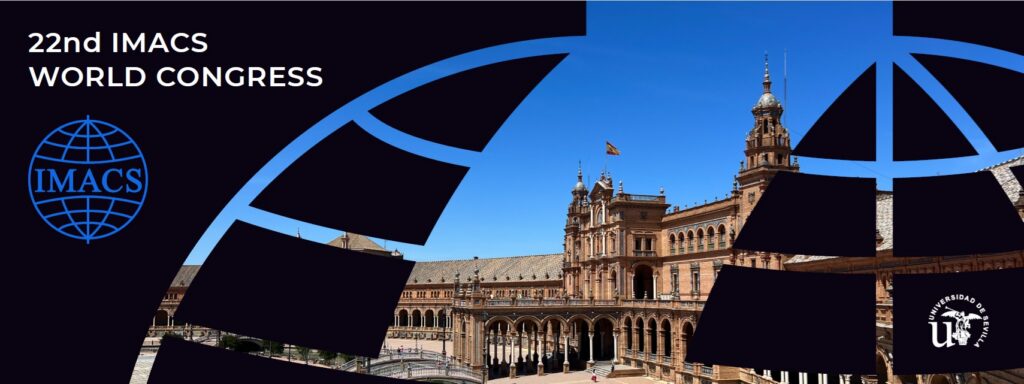
Venue
The IMACS Congress 2027 will take place across three venues on the Reina Mercedes Campus, University of Seville.
🗺️ Map
School of Computer Science
(Escuela Técnica Superior de Ingeniería Informática)
Av. Reina Mercedes, s/n — 41012 Seville
Plenary Talks
Faculty of Mathematics
(Facultad de Matemáticas)
C/ Tarfia, s/n — 41012 Seville
Contributed Talks
Coffee Breaks — Large inner lounge
University Dining Hall
(Instituto de Idiomas)
Campus Reina Mercedes — 41012 Seville
Lunches

🎤 Plenary Talks
School of Computer Science
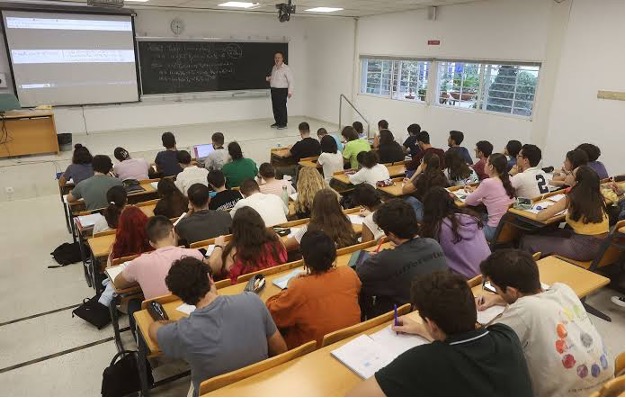
📐 Contributed Talks
Faculty of Mathematics
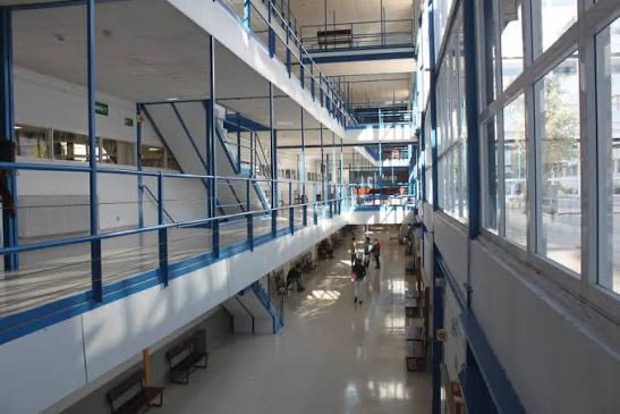
☕ Coffee Breaks
Faculty of Mathematics
Large inner lounge
Getting to Seville
✈️ By Plane
Seville San Pablo International Airport (SVQ) is located 10 km northeast of the city centre. It is served by major airlines including Ryanair, Vueling and Iberia, with connections to most European cities.
Airport website: www.aena.es/en/sevilla.html
From the airport to the city centre:
- Bus EA (Especial Aeropuerto): The most affordable option. Runs every 12–20 minutes from 05:20 to 01:00. Journey time approx. 35–40 minutes. Stops include Santa Justa train station and Plaza de Armas bus station. Single ticket: approx. 6€. Timetables and info → tussam.es
- Taxi: Available directly outside the arrivals terminal. Taxi prices from Seville Airport to the city center use fixed flat rates: €24.98 to €25.72 during weekday daytime hours and €27.84 to €28.67 at night, on weekends, and during holidays. All standard luggage fees and extras are included in this flat rate.Journey time 15–20 minutes. For more info -> www.taxissevilla.es
- Uber and Cabify : Also available from the airport. Info ->
- Car rental: Several companies operate in the arrivals hall. Recommended if you plan to explore the Andalusia region. Info ->
🚆 By Train
Seville’s Santa Justa railway station is located in the city centre and is Spain’s third busiest station. It is directly connected by high-speed AVE trains to:
- Madrid: approx. 2h 30min, with over 20 daily departures
- Barcelona: approx. 5h 30min
- Córdoba: approx. 45 minutes
- Málaga: approx. 2h
Tickets can be booked in advance (recommended) at: www.renfe.com. Budget alternatives include Ouigo and Iryo on the Madrid–Seville route.
🚗 By Car
Seville is well connected by motorway to the rest of Spain and Portugal:
- A-4: Madrid – Seville (approx. 5h)
- A-92: Granada – Seville (approx. 2h 30min) and Málaga – Seville (approx. 2h)
- A-49: Huelva and Portugal
Access to the city centre is via the SE-30 ring road. Note that the historic centre has restricted traffic areas (ZBE). Parking near the Faculty of Mathematics is available at the Reina Mercedes Campus and on Avenida de la Raza.
🚌 By Intercity Bus
Seville has two main intercity bus stations: Plaza de Armas (connections to northern Spain and Portugal) and Prado de San Sebastián (connections to Andalusia). Major operators include ALSA and Socibus.
Book intercity buses at: www.alsa.com or www.movelia.es
🚋 Local Transport to the Venue
The Faculty of Mathematics is located on the Reina Mercedes Campus, easily accessible by public transport:
- Urban buses 2, 3, 6 and 34 stop very close to the Faculty.
- Trams and Seville Metro also serve the center and some areas of the city. See full maps and timetables at: www.tussam.es
- Seville has an excellent cycling infrastructure. The SEVICI bike-sharing system (€1.35/week for tourists) covers the whole city: www.sevici.es
About Seville
Seville is the capital of Andalusia and the fourth largest city in Spain. With one of the largest historic centres in Europe and three UNESCO World Heritage Sites, it is a city where history, culture and gastronomy come together in a uniquely vibrant way.
🌡️ Weather in July
July is the hottest and sunniest month of the year in Seville. Expect daytime temperatures of around 36°C (97°F), with nights staying warm at around 20°C (68°F). The city enjoys up to 12 hours of sunshine per day and virtually no rainfall. The heat is dry rather than humid, which makes it more bearable. Participants are advised to stay well hydrated, wear sunscreen, and avoid prolonged sun exposure during the hottest hours (14:00–19:00). Mornings and evenings are delightful for exploring the city on foot.
🏛️ Monuments and Tourist Highlights
Seville boasts three UNESCO World Heritage Sites and a wealth of cultural landmarks within easy walking distance of the city centre:
- Seville Cathedral and the Giralda: The largest Gothic cathedral in the world. The Giralda tower, originally a minaret, offers panoramic views over the city.
- Real Alcázar: A stunning royal palace combining Moorish, Gothic and Renaissance architecture. One of the most visited monuments in Spain and a filming location for Game of Thrones.
- Archivo de Indias: 16th-century building housing the historical archives of the Spanish Empire in the Americas.
- Plaza de España: Iconic semi-circular square built for the 1929 Ibero-American Exposition, located within the beautiful María Luisa Park.
- Barrio de Santa Cruz: The charming old Jewish quarter, perfect for an evening stroll.
- Triana: Traditional neighbourhood across the Guadalquivir river, birthplace of flamenco and famous for its ceramics and tapas bars.
🍽️ Gastronomy and Tapas
Seville is widely regarded as the birthplace of tapas culture. Some classic dishes to try: espinacas con garbanzos, solomillo al whisky, pavías de bacalao, jamón ibérico, and gazpacho or salmorejo (cold tomato soups, ideal for the summer heat). The best tapas areas are around Calle Betis in Triana, the Alameda de Hércules, and the streets surrounding the Cathedral. Dinner typically starts after 21:00.
Accommodation
IMACS2027 has arranged special congress rates with two student residences. Two additional hotels near the venue are also suggested below.
Student residences (special congress rate)
- Micampus Rector Estanislao del Campo — website. Single room: €50.23 / Double room: €34.95 per person/night (accommodation only, VAT included). Book here using promo code CONGRESOIMACS2027.
- Palm Studios — website. Single room: €50 / Double room: €40 per person/night (accommodation only, VAT included). To book, email palmstudios@yugo.com mentioning your participation in the IMACS2027 congress.
Hotels
Useful Information
- Currency: Euro (€). ATMs are widely available throughout the city.
- Language: Spanish. English is spoken in most hotels, tourist areas and the university.
- Tipping: Not obligatory, but leaving around 5% in restaurants is common practice.
- Tax: 10% VAT applies to hotels and restaurants. This tax is not refundable.
- Visa: Participants who require a visa to enter Spain should contact their local Spanish Embassy or Consulate. The organising committee can provide an official invitation letter upon request.
- Emergency Phone Numbers 112 is the single, free emergency number for the entire European Union. It is the main point of contact for emergencies in Spain and can be used for any type of situation requiring police, fire brigade, or medical services. When you call 112, operators will direct the call to the appropriate service based on the situation. Other emergency numbers:
- National Police: 091
- Civil Guard: 062
- Local Police: 092
- Fire Services: 080 or 085
- Medical Emergencies: 061
- Road Emergencies: 011
- Hospital : Hospital Universitario Virgen del Rocío. It is a public hospital right next to the campus and it has almost every speciality. Address: Calle Tabladilla, 11, Seville.